Convert PNG to GIF — Still or Animated
Turn PNGs into GIFs with transparency kept, or join several PNG frames into one animated GIF with your own speed and looping. Runs in your browser; nothing is uploaded.
Updated October 2026 · Free · Works entirely in your browser
When a GIF beats a PNG
PNG is the better format for a still image, so convert to GIF only when something asks for one: older forums and chat apps, email newsletters that must animate, some ad networks and upload forms, and anywhere you want a picture to move. Logos, icons, pixel art, diagrams and screenshots of text convert almost perfectly, because they rarely use more than 256 colours. Photos and smooth gradients show banding — for those, a JPG or WebP is the better small file.
Making an animated GIF from PNG frames
- Name the frames so they sort in order (frame-1.png … frame-24.png; numbers are sorted as numbers).
- Choose Animate the PNGs into one GIF and drop them all at once.
- Set the delay: 100 ms is 10 fps, 40–50 ms is smooth motion, 300–500 ms suits a slideshow.
- Keep 256 colours for detailed frames; drop to 64 or 16 for flat cartoon frames and a much smaller file.
Every frame is fitted to the first frame's shape (letterboxed, never stretched), and each gets its own 256-colour palette, which keeps colours truer than one shared palette. Frames that are a different size are centred.
Transparency in GIFs
A PNG can have soft, partly see-through edges; a GIF pixel is either fully visible or fully transparent. Keep transparency for stickers that will sit on many backgrounds, and accept a slightly hard edge. If you know the background colour, fill it instead — the edge is blended onto that colour and looks smooth. The background remover can make a white background transparent first, and GIF to PNG goes back the other way.
Gear we recommend for this workflow
As an Amazon Associate we earn from qualifying purchases. Affiliate disclosure.

MAYBESTA Wireless Mini Microphone for iPhone, Android Phone - 2 Pack Lavalier Lapel Mic for Audio Video Recording - Clip on Content Creator Microphones for YouTube Tiktok Podcast Vlogging
Best for clear voiceovers and streaming
$24.99
Check price on Amazon
Elgato Stream Deck MK.2 Studio Controller, 15 Macro Keys
Best for one-touch shortcuts while creating
$119.99
Check price on Amazon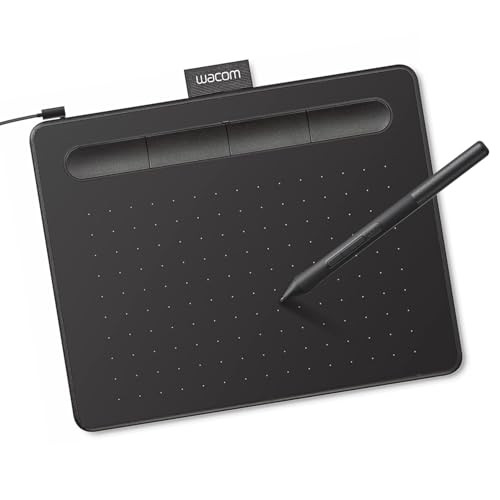
Wacom Intuos Small, Wired Graphic Drawing Tablet with Pen + Software
Best for precise retouching and illustration
$39.95
Check price on Amazon
USB C Lavalier Microphone Wireless Mini Mic for Type-C Android Phone/Tablet/PC Video Recording Clip-on Mics with Rotatable Clip&Denoise Recording, Ideal for Vlog Tiktok Youtube Podcast Content Creator
Best for clear voiceovers and streaming
$19.99
Check price on AmazonPrices as of Oct 2, 2026, 4:39 AM UTC. Product prices and availability are accurate as of the date/time indicated and are subject to change. Any price and availability information displayed on Amazon.com at the time of purchase will apply to the purchase of this product.
Frequently Asked Questions
Everything you need to know about image conversion.