Color Inverter
Invert the colors of any image, or get the inverse and complementary color of a hex code. Per-channel control and transparency kept. Runs in your browser.
Updated October 2026 · Free · Works entirely in your browser
Invert a hex or RGB color
Invert the colors of an image
What inverting a color means
A screen colour is three numbers from 0 to 255: how much red, green and blue light to mix. Inverting replaces each with 255 minus itself. White (255, 255, 255) becomes black (0, 0, 0), pure red (255, 0, 0) becomes cyan (0, 255, 255), and a mid grey (128, 128, 128) barely changes. In hex the same rule works digit by digit: every digit becomes F minus that digit, so #1E90FF turns into #E16F00.
| Color | Hex | Inverted | Complementary |
|---|---|---|---|
| Red | #FF0000 | #00FFFF (cyan) | #00FFFF |
| Navy | #000080 | #FFFF7F (pale yellow) | #808000 (olive) |
| Dodger blue | #1E90FF | #E16F00 | #FF8D1E |
| Forest green | #228B22 | #DD74DD | #8B228B |
| Mid grey | #808080 | #7F7F7F | #808080 |
Inverse, complementary or brightness-inverted?
People say "opposite colour" and mean different things. The RGB inverse flips lightness too, so a dark navy comes back pale yellow — right for negatives and for checking dark-mode artwork. The complementary colour keeps the lightness and saturation and only swings the hue halfway round the wheel, so navy gives olive — what designers want for an accent colour. Brightness inverted keeps the hue and swaps light for dark, which turns a light-themed diagram into a dark one without changing the brand colours.
Good uses for an inverted image
- Dark-mode versions of diagrams and screenshots. Try Invert brightness first; it keeps blue links blue.
- Reading faint text or detail. Pencil on paper, X-rays and star fields are often clearer inverted.
- Film negatives. Black and white negatives just need RGB inversion. Colour negatives also need their orange base removed — the Negative Image Converter does both.
- Checking a design. Inverting a layout makes balance problems your eye has stopped noticing jump out.
- Matching colours. Pick a colour from a photo with the Image Color Picker, then paste its hex above for its inverse and complement.
Invert colors on your device instead
To invert the whole screen rather than one picture: on Windows press Win + Ctrl + C after turning on colour filters (Settings › Accessibility › Color filters), or use Magnifier's Ctrl + Alt + I. On a Mac use System Settings › Accessibility › Display › Invert colors. On iPhone, Settings › Accessibility › Display & Text Size › Smart Invert or Classic Invert. On Android, Settings › Accessibility › Color inversion. These change what you see, not the file — to save an inverted copy, use the tool on this page.
Gear we recommend for this workflow
As an Amazon Associate we earn from qualifying purchases. Affiliate disclosure.

Dell 27 Monitor S2725QS, 4K UHD IPS, 120Hz, 5ms, FreeSync Premium
Best for accurate color when editing photos
$268.99
Check price on Amazon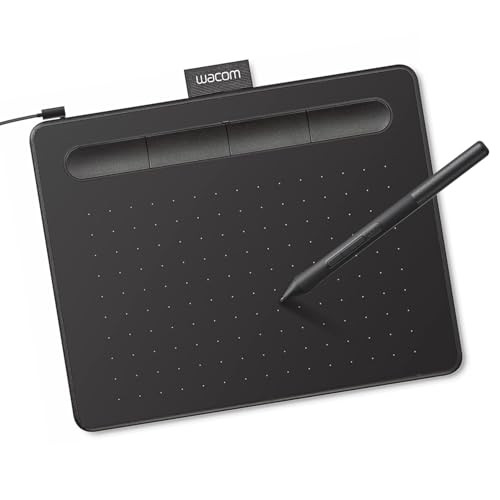
Wacom Intuos Small, Wired Graphic Drawing Tablet with Pen + Software
Best for precise retouching and illustration
$39.95
Check price on Amazon
BenQ PD2706U Mac-Ready Monitor 27” 4K UHD, 90W USB-C, 99% sRGB, 95% P3, DeltaE ≤3, DisplayHDR 400, IPS, AQCOLOR, Factory-Calibrated, Uniformity, HotKey Puck, Ergonomic, DisplayPort, KVM, USB Hub
Best for accurate color when editing photos
$399.99
Check price on Amazon
Wacom Intuos Pro Medium, Bluetooth Graphic Drawing Tablet with ProPen 3
Best for precise retouching and illustration
$299.95
Check price on AmazonPrices as of Oct 1, 2026, 4:40 AM UTC. Product prices and availability are accurate as of the date/time indicated and are subject to change. Any price and availability information displayed on Amazon.com at the time of purchase will apply to the purchase of this product.
Frequently Asked Questions
Everything you need to know about image conversion.