Convert PNG to SVG — Transparent Vector Trace
Trace a PNG logo, icon or drawing into a real, scalable SVG. Transparency is kept, colours are flattened to the number you choose, and nothing is uploaded.
Updated October 2026 · Free · Works entirely in your browser
Why PNG is the best starting point for an SVG
PNG is lossless, so the edges of a logo are exactly what the designer drew — no JPG blocking for the tracer to mistake for detail. And PNG carries an alpha channel, so a logo with a transparent background traces into shapes with nothing behind them, ready to drop onto any colour. That is why a PNG traces cleaner than the same image saved as a JPG.
How the conversion works
The PNG is reduced to a small palette (the Colours slider), each colour's regions are outlined, specks below the Detail threshold are discarded, and the outlines are fitted with lines and quadratic curves. Regions that were fully transparent in the PNG are dropped, so the SVG has a genuinely empty background.
| Goal | Preset | Tip |
|---|---|---|
| Website logo or icon | Logo / icon | Match Colours to the logo's real colour count |
| Cricut / Silhouette cut file | Black & white | Tick Transparent background |
| Laser engraving | Black & white | High detail for fine lines |
| Sticker or clip art | Illustration | 8–16 colours |
Before you trace
- PNG has a white background instead of transparency? Remove it with Make Background Transparent first.
- Small or blurry PNG? Enlarge it 2–4× with the image upscaler — smoother edges trace into smoother curves.
- Tracing a photo for a Cricut or a stencil? Turn it into clean line art with Photo to Coloring Page first, then trace that with the black-and-white preset.
- Need it the other way round? SVG to PNG renders an SVG at any size.
Using the SVG
The file opens in any browser and in Illustrator, Inkscape, Figma, Affinity Designer, Canva and Cricut Design Space. Paths are written colour by colour and each carries its own fill, so you can select every shape of one colour (Select › Same fill in most editors) and recolour or delete it at once. On a website, an SVG logo stays razor-sharp on high-density screens at a fraction of the size of a large PNG.
Gear we recommend for this workflow
As an Amazon Associate we earn from qualifying purchases. Affiliate disclosure.
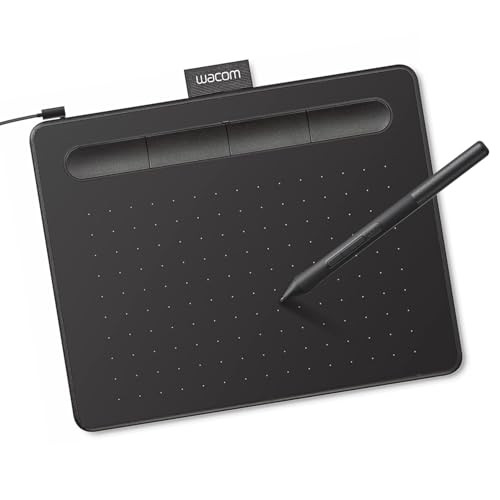
Wacom Intuos Small, Wired Graphic Drawing Tablet with Pen + Software
Best for precise retouching and illustration
$39.95
Check price on Amazon
Dell 27 Monitor S2725QS, 4K UHD IPS, 120Hz, 5ms, FreeSync Premium
Best for accurate color when editing photos
$268.99
Check price on Amazon
Wacom Intuos Pro Medium, Bluetooth Graphic Drawing Tablet with ProPen 3
Best for precise retouching and illustration
$299.95
Check price on Amazon
BenQ PD2706U Mac-Ready Monitor 27” 4K UHD, 90W USB-C, 99% sRGB, 95% P3, DeltaE ≤3, DisplayHDR 400, IPS, AQCOLOR, Factory-Calibrated, Uniformity, HotKey Puck, Ergonomic, DisplayPort, KVM, USB Hub
Best for accurate color when editing photos
$399.99
Check price on AmazonPrices as of Oct 1, 2026, 4:40 AM UTC. Product prices and availability are accurate as of the date/time indicated and are subject to change. Any price and availability information displayed on Amazon.com at the time of purchase will apply to the purchase of this product.
Frequently Asked Questions
Everything you need to know about image conversion.