1200 × 630 Image Converter
Resize any picture to exactly 1200 by 630 pixels. The link preview card. Free, and nothing is uploaded.
Updated May 2026 · Free · Works entirely in your browser
1200 × 630 is the Open Graph standard, a ratio of roughly 1.91:1. It is what appears when someone pastes your link into a chat or a feed. Put the important content in the middle — platforms crop the edges differently and some show a 1:1 version on mobile — and make any text large enough to read at a quarter of this size.
Where 1200 × 630 is actually required
- Open Graph images for links shared on social platforms
- Twitter and X summary_large_image cards
- LinkedIn and Slack link unfurls
- Blog post header cards
Which format to save it as
PNG if the card carries text, which it usually does. JPG is fine for a purely photographic card.
The thing that usually goes wrong
Text sized for the full 1200 pixels is unreadable in the small preview most people actually see. Design it to work at 300 pixels wide.
Crop first, then resize
The order matters more than people expect. Cropping decides what is in the frame and costs nothing in quality — it removes whole pixels rather than degrading the ones you keep. Resizing then scales what is left to the target. Do it the other way round and you resize detail you were about to throw away, which wastes quality on pixels that do not survive.
This is especially true for a square target like many of the sizes here. A landscape photo squeezed into a square loses the sides whatever you do — the only question is whether you choose what goes, or a platform does. Use the image cropper first if the framing matters.
Enlarging does not add detail
Scaling down is safe: the extra pixels genuinely are not needed. Scaling up is interpolation — the new pixels are averaged from their neighbours, which produces a smooth guess rather than recovered detail. It looks acceptable up to about 150% and soft beyond that. When you need a bigger version, go back to the original camera file, the RAW export or the vector source, all of which rasterise cleanly at any size.
Other sizes
- 64 × 64 — small icons and game sprites
- 128 × 128 — application icons and chat emoji
- 256 × 256 — windows icons and store thumbnails
- 1000 × 1000 — the amazon listing minimum for zoom
- 1080 × 1080 — the square social post
- 3000 × 3000 — maximum podcast and marketplace artwork
Need a size that is not listed? The image resizer takes any width and height, and the aspect ratio calculator works out the second dimension when you only know the first.
Gear we recommend for this workflow
As an Amazon Associate we earn from qualifying purchases. Affiliate disclosure.

Dell 27 Monitor S2725QS, 4K UHD IPS, 120Hz, 5ms, FreeSync Premium | 350 cd/m2 Brightness, 1,500:1 Contrast, 99% sRGB, Anti-Glare, HDMI, DisplayPort, USB‑C, Height Adjustable, Swivel, Pivot
Best for accurate color when editing photos
$279.99
Check price on Amazon
Logitech MX Master 3S Bluetooth Wireless Mouse No Receiver - Graphite | MagSpeed Scrolling, 8K DPI tracking, Quiet clicks, Programmable buttons, Bluetooth, Windows PC, Mac, Linux, Chrome
Best mouse for long editing sessions
$79.99
Check price on Amazon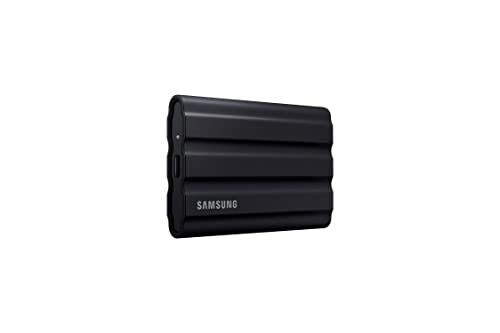
Samsung T7 Shield Portable SSD 1TB, USB 3.2 Gen 2, Up to 1,050 MB/s | Rugged, IP65 Water Resistant, External Solid State Drive for Photographers, Content Creators and Gaming (MU-PE1T0S/AM), Black
Best for photographers backing up thousands of RAW files
$267.00
Check price on Amazon
Logitech MX Creative Console 9 Customizable Keys - Graphite | Control Dial, for graphic design, Zoom and Spotify, includes 3-Month Adobe Cloud Membership, Stream Deck Accessories
Best for design shortcuts and multimedia work
$169.99
Check price on AmazonPrices as of Oct 26, 2026, 4:45 AM UTC. Product prices and availability are accurate as of the date/time indicated and are subject to change. Any price and availability information displayed on Amazon.com at the time of purchase will apply to the purchase of this product.
Frequently Asked Questions
Everything you need to know about image conversion.